
Explore this service in pictures
Technical specifications
| Materials | Wood suitable for laser processing, suitable acrylic surfaces |
|---|---|
| Working area | Xenon CO2 laser: 140 × 100 cm; part nesting is assessed separately. |
| Thickness | Assessed according to the surface, finish, part shape and desired effect. |
| Tolerance | ±0.1 mm target tolerance; confirmed for each job. |
Define the information and pattern to be applied to the surface
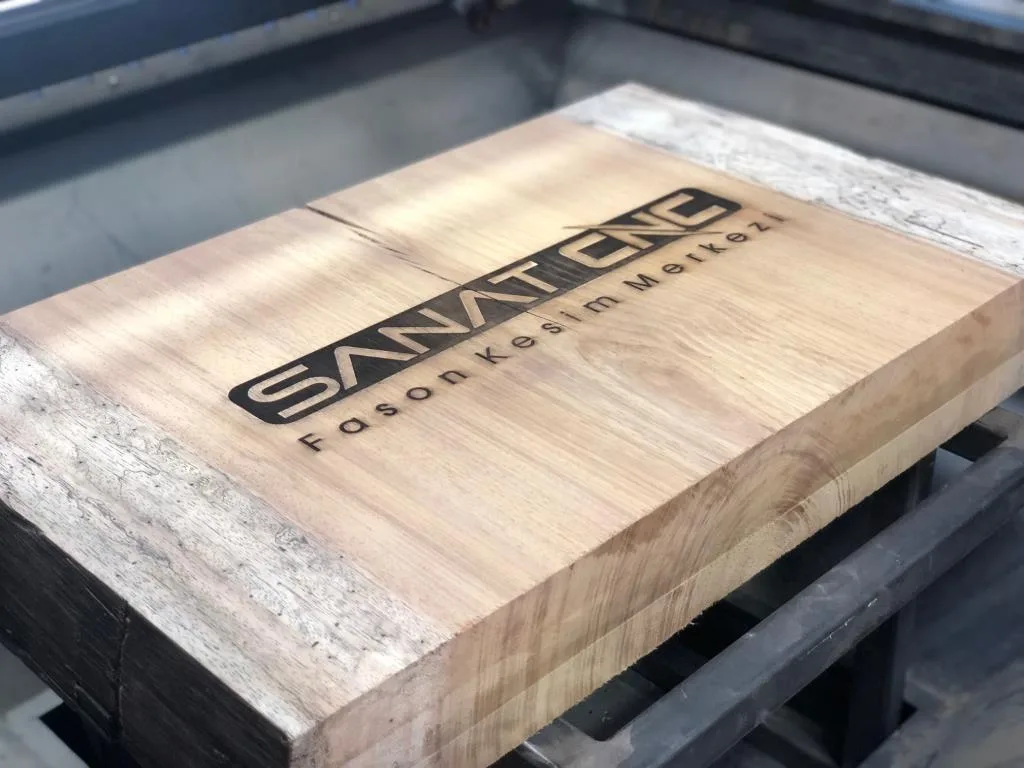
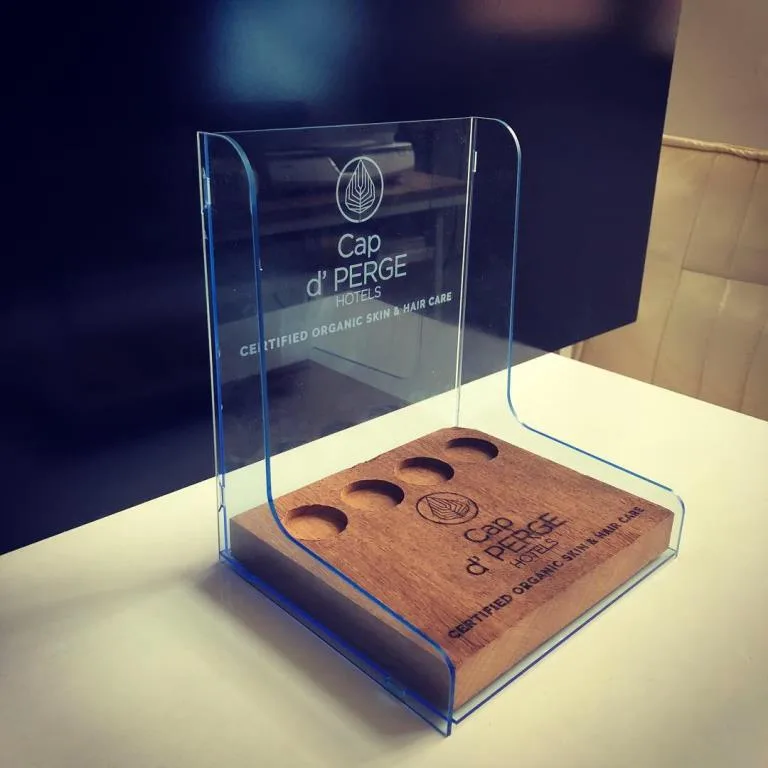
Laser engraving and marking can be used to apply a drawing, text or image to a part's surface. Cutting creates the outer shape and internal openings, whereas surface work focuses on legibility, positioning and appearance. At Modoko CNC Kesim, we assess requests ranging from decorative panels to promotional components based on the material and submitted design. A visually appealing drawing alone does not establish whether it can be applied to a surface. The material type, surface condition and smallest design details must be assessed together.
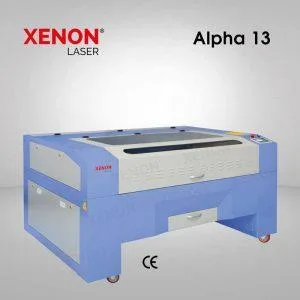
Our workshop's Xenon 200 W CO2 laser has a 140 × 100 cm working area. These specifications do not mean that the same darkness, depth or contrast can be achieved on every surface. They should not be interpreted as fibre laser capacity for metals. Share a sample design together with the sheet's product information. When discussing the appropriate process, we consider how the part will be used as well as machine power. Our machinery page shows the available equipment and working areas.
The difference between engraving, marking and cutting
Making text visible on a surface and creating a recess of a specified depth are different requirements. In your quotation request, state whether you want the design simply to be visible, to be felt by touch or to create space for another application. A colour difference in a photograph does not establish engraving depth. Alongside the reference image, provide an explanation or details of a physical sample if possible. The desired effect is assessed together with the material and detail size to define the scope of work.
If the part's outer contour will also be cut, show surface operations and outer cutting on separate layers. A logo at the centre of a plate and fixing holes near its edges may need to share the same dimensional reference. Clearly state alignment requirements for parts cut later or repositioned during processing. Read about creating outer shapes through our laser cutting service, and deeper mechanical surface work on our wood carving and engraving page. Methods are assessed according to the requirements of the part to be supplied.
The effect of material and surface condition
The natural appearance of wood, the type of acrylic sheet and any surface coating can affect how the finished design looks. The same drawing will not necessarily produce the same colour or texture in different materials. If you supply the material, include the manufacturer and product details. Naming the base material alone may be insufficient, particularly for coated, painted or adhesive-backed surfaces. Also tell us whether the part has already been processed. A specific surface finish cannot be promised before suitability has been assessed.
Technical information is requested first for plastics whose composition is unknown. Products containing PVC are not processed by laser. The laser manufacturer's guide to plastics explains why suitable material selection matters. Every surface processing request should be assessed against both the available machinery and the material. A product previously processed by another company does not guarantee the same result on a different product you supply. For repeat orders in particular, stating whether the material has changed makes comparison easier.
Preparing text and logos
Define the actual size and alignment of the text on the part. A logo enlarged on screen may be easy to read, while its details may be too small at production size. Fine lines, closely spaced gaps and small characters require separate assessment. Send the vector design and a visual reference together to avoid font substitution. State if a brand logo's proportions must be preserved. Where elements vary in size, such as a heading and smaller text, assess the whole design at its actual size.
For jobs with serial numbers, names or variable text, assign a code to each part. Send the final text list and check Turkish characters. Text accuracy and the physical suitability of engraving are separate checks. If customer-approved content changes, mark the old list as superseded. When an order uses different files, clearly identify which list belongs to which design. This provides the tracking information needed to apply the correct text to each part.
Requirements for image-based machining
For a photograph or tonal design, source image size and clarity matter. Enlarging a small preview does not restore missing detail. Specify which part of the image to use, the crop boundary and its size on the part. Design work such as removing a white background, adding text or redrawing is not automatically included in preparing the production file. Discuss these needs before the quote. Make sure you have permission to use the image you submit.
A photographic image on a surface and a three-dimensional relief are different production requests. Relief carving requires a model containing height information. Explore our 3D cabinet door and relief machining service and relief file preparation guide to understand the distinction. When assessing machined examples, consider the material, lighting and any paint applied afterwards. Darkness in a photograph should not be treated as a guarantee of an identical shade on your own material.
Positioning designs on existing parts
For machining an existing product, send a photo, overall dimensions and a drawing of the area to be machined. Identify surface flatness, protrusions and positioning direction. Text dimensions alone do not define its position on the product: dimension offsets from edges, centring and alignment with other elements. If several products are supplied, check that their dimensions match. Common reference points are needed to transfer the approved first-part layout to the others. Mark areas that must not be machined. Discuss feasibility before sending valuable or irreplaceable parts; do not assume acceptance or delivery conditions from a reference image alone.
Quotation, sample and delivery
Price factors include the area to be processed, drawing detail, quantity, number of different designs and part preparation. Repeating the same pattern and applying different personalised content to each part require different preparation. Workholding or alignment to a specific position on a customer-supplied part is also assessed. When comparing prices per part, check material, design adjustments and packaging inclusions together. Our pricing page is a starting point for gathering the information needed for a quotation.
Plan sample or first-part approval in advance where appearance is critical. The area, text size and material being approved must represent the conditions of the final job. Specify from the outset whether parts should be individually packaged, coded or sent to another manufacturer. Explore applications in our completed work gallery and submit your file and material details through the quotation form. Production time and shipping conditions are discussed against the actual scope established by the file review.
Frequently asked questions
Can cutting and engraving be included in the same file?
Yes, but identify cutting boundaries and surface operations using separate layers and a written explanation.
Will every material produce the same tone?
No. Surface, material type and machining requirements are assessed together; a sample is discussed if appearance is critical.
Can each part have a different name engraved on it?
Send the final text list matched to part codes. Feasibility and preparation requirements will be assessed.