
Explore this service in pictures
Technical specifications
| Materials | Acrylic suitable for laser processing, wood-based sheets with confirmed suitability |
|---|---|
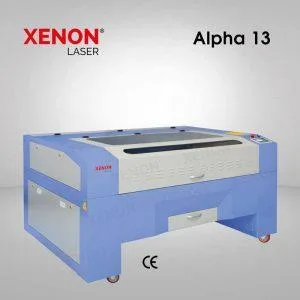
| Working area | Xenon CO2 laser: 140 × 100 cm; nesting allowances are assessed separately. |
| Thickness | Confirmed from product type, material thickness and the drawing. |
| Tolerance | ±0.1 mm target tolerance; confirmed for each job. |
Laser cutting from your drawing
Laser cutting is used to produce the outer contours and internal openings shown in a drawing in suitable sheet materials. Potential applications include advertising displays, decorative parts, model components and small production runs. At Modoko CNC Kesim in Dudullu, Istanbul, we review each job's material and geometry to define the cutting scope. When sending a file, please tell us not only what the part looks like but also where it will be used and which details matter to you.
Our workshop's Xenon CO2 laser has a 140 × 100 cm working area and 200 W power. These specifications describe the machine; they do not mean every material can be processed at the same thickness or with the same result. Usable area, nesting and material properties are assessed from your file. For larger sheets or different machining requirements, also explore our CNC router cutting service. Clarify the part's requirements before choosing a method based solely on the machine name.
Why do material details matter?
Acrylic sheet and another similar-looking plastic are not the same material. Manufacturer details, material type and thickness are important for an accurate assessment. Identify any paint, coating, protective film or adhesive on the material. A photograph alone cannot establish its composition. For unidentified sheets, we request product information first and do not plan production until suitability has been established. If supplying your own material, discussing it with us alongside the file before purchasing may reduce unnecessary repeat work.
Forex and Dekota containing PVC are unsuitable for laser processing; mechanical cutting is assessed for these materials. Trotec's material guidance also explains this distinction for plastics. Do not assume that every material in our range can be processed by laser. Our Dekota and Forex cutting page explains how these requests are assessed separately. Our aluminium plate capacity also belongs to CNC routing; it is not presented as metal cutting capacity for the CO2 laser.
Reflect the intended use in the drawing
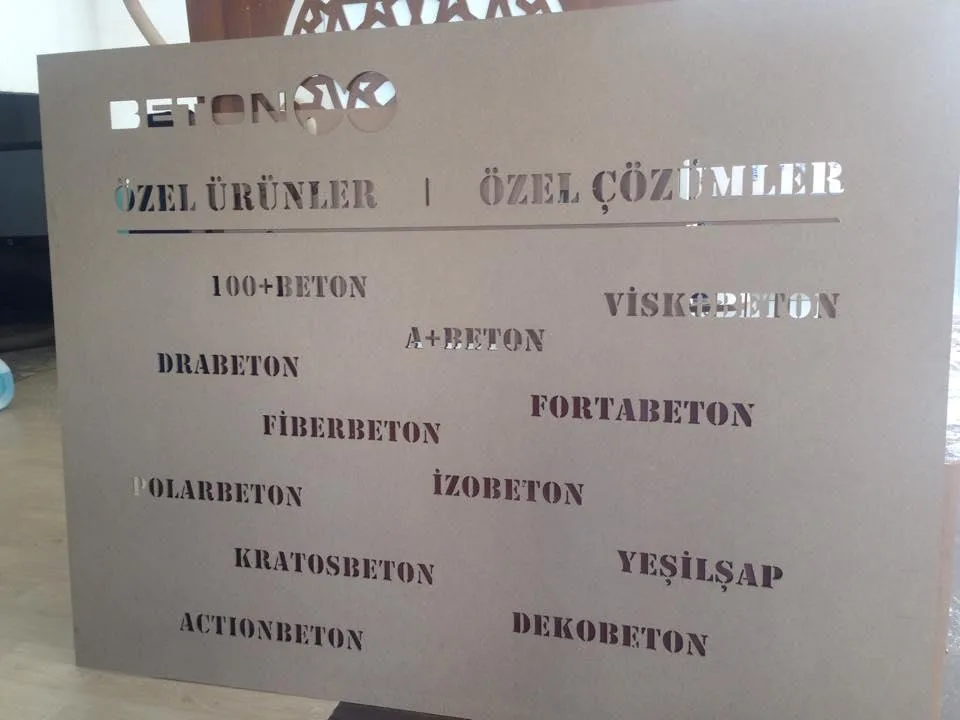
Sign lettering, interlocking model components and decorative panels need different checks. For letters, thin connections and small internal pieces matter. For models, joint slots, actual sheet thickness and assembly sequence are crucial. For decorative panels, consider the supporting sections of the pattern and connections to the frame. Clearly show which areas are removed and which remain in the part. This is particularly important in files containing many similar lines.
If lighting, bonding or mechanical fixings will be added to the cut part, provide the details in advance. Requirements for a visible edge may differ from those for an edge concealed beneath another part. Describe any surface marking or pattern as a separate operation from cutting. Explore our laser engraving and marking service for this work. Cutting and surface operations can be included in the same file, but they must be specified separately in the production request.
Prepare your file for production
Work at actual size in your DXF or DWG file and state the units separately. PDF, AI, CDR and EPS files can also be submitted for assessment; we check whether they contain vector drawings. Placing a photograph inside a PDF does not turn it into a cutting drawing. For jobs with logos or text, include a visual reference so the opened file can be compared with the intended design. State at least one overall dimension in your message to help verify the scale.
Keep cutting boundaries, surface lines and dimension notes on separate layers. Remove duplicate overlapping lines, stray objects outside the drawing and unused alternatives. Including a date or revision number in the production file name is helpful. Match part codes to the quantity list, and list each size separately if the same design is required in different sizes. For batch production, the number of distinct designs affects preparation as well as the total quantity. Checking the file preview before sending makes it easier to spot missing elements.
The scope of work that determines the price
Laser cutting prices are not calculated solely from a sheet's outer dimensions. The cutting path, fine details, number of different parts, material, quantity and file preparation all affect the assessment. A sheet containing a few large parts requires a different amount of processing from one filled with many intricate parts. Additional requirements such as engraving, marking or special packaging also change the scope of the quotation. A fixed price per part without reviewing your file would therefore not provide a reliable basis for comparison.
When requesting a quotation, specify who will supply the material, whether offcuts should be returned and any sample requirement. When comparing quotations, check preparation, material and finishing inclusions together. The requested delivery date is assessed against production time; shipping time is discussed separately. Our CNC cutting pricing page helps you gather the information needed for a quotation request. Reconfirm the scope when quantities change rather than assuming a previous unit price still applies.
Keeping records for repeat orders
When reordering a previously cut part, provide the old file name and part code if available. Confirm separately whether the new sheet matches the original material. Even with an unchanged design, the material, thickness or delivery scope may differ. A physical sample from the first order helps discuss appearance but does not replace production dimensions. Note any new holes or changed text in the revision notes. Explain if old and new parts will sit side by side in the same installation. Reproducing the entire job and adding a few parts to an existing set may need different assessments. Gathering these details early helps prevent mismatches discovered after delivery.
From the first part to delivery
The process starts with file and material checks. Scale, cutting areas, quantity and additional operations are clarified. For jobs with mating parts or critical visible surfaces, a first-part or sample assessment can be planned. Define the dimensions and appearance to be approved from the outset. Drawing changes after sample approval are treated as a new revision. Explain which part is affected rather than simply resending a file with the same name, to make production tracking easier.
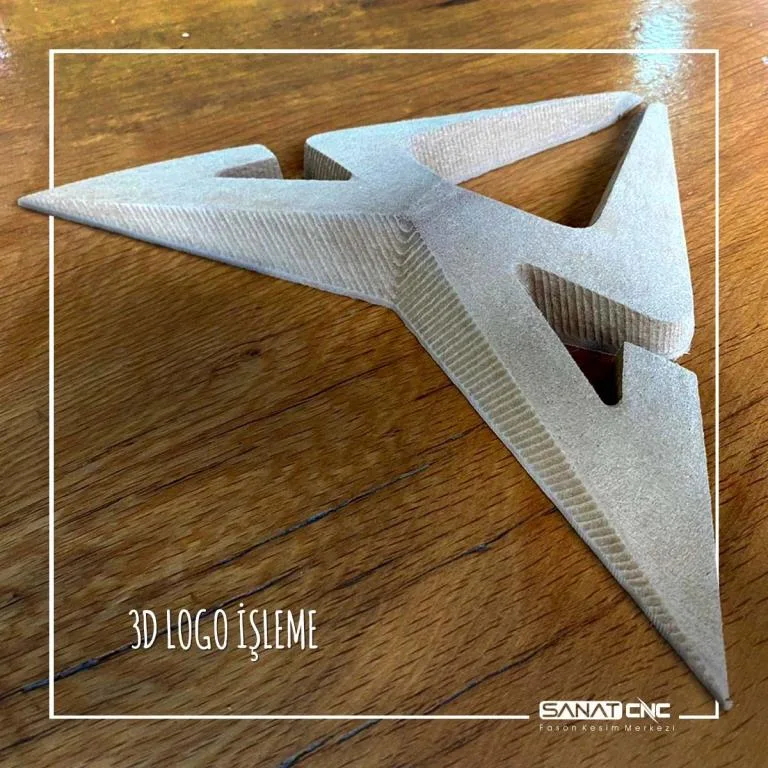
Separating, counting, packaging and delivering parts are discussed when quoting. Specify how packages should be grouped if there are thin projections or small components. Workshop collection and carrier delivery may need different preparation. Explore different applications in our production gallery, and read about the distinction between a model and a visual reference in our relief file preparation guide. Send your cutting request through the quotation form so we can clarify material, file and delivery conditions together.
Frequently asked questions
Can Forex PVC foam board be laser cut?
Forex and Dekota containing PVC are not processed by laser. Mechanical cutting is assessed for these materials.
Can a 200 W laser cut every thickness?
No. Power alone does not determine thickness capacity; the material and drawing are assessed together.
Is a photo enough for cutting?
A photo provides a reference. A suitable drawing defining the cutting contours and actual dimensions is required.