
Let your part's requirements guide the machine choice
A drawing may be considered for either CNC routing or laser cutting, but the choice is not based on contour shape alone. Material type, thickness, required surface finish, part dimensions and additional operations are assessed together. Rather than asking which machine is better, ask which method suits your part. Having both methods in one workshop does not mean every material can be processed by both.
Modoko CNC Kesim has Exitech and Mutlucam CNC routers and a Xenon CO2 laser. The routers have working areas of 200 × 400 cm and 210 × 280 cm respectively; the laser's working area is 140 × 100 cm. The Xenon is a 200 W CO2 laser. These specifications provide a starting point; usable cutting area and job suitability are assessed from the file. Do not infer capacity from table dimensions alone.
Which operations can be considered for CNC routing?
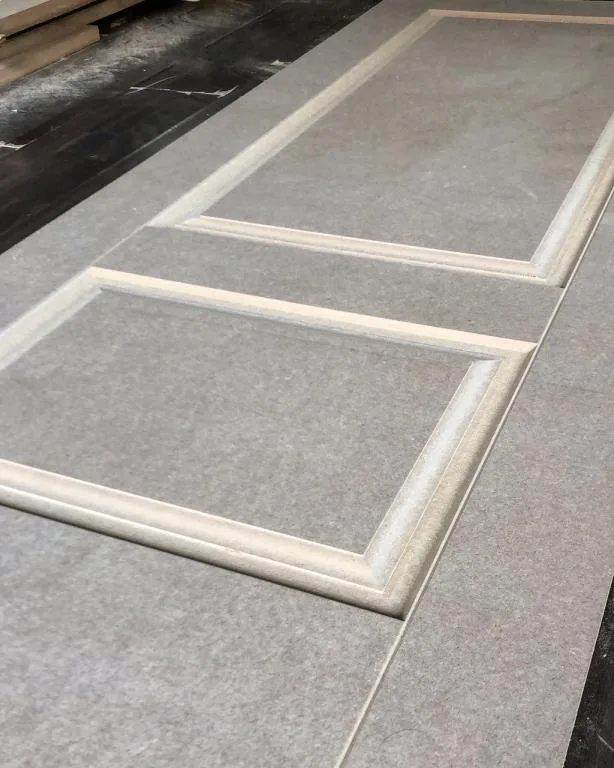
A CNC router uses a rotating cutter to machine outer contours, grooves, pockets and suitable surface features. If you need machining to a specific depth rather than a through-cut, define it separately in the file. A connection groove in a furniture component and the outer cut of a decorative panel require different machining information even when shown in one drawing. Clearly identifying the machining face and depth makes preparation easier.
When assessing CNC routing, workholding and tool access matter. Small parts, narrow internal openings and long, thin projections receive particular attention. We should also discuss how the shape of an internal corner affects the part's fit with another component. Our CNC router cutting service explains which material and drawing details to provide. Marking critical joints in the file is more informative than sending only a general drawing.
What requirements should you discuss for CO2 laser work?
Laser cutting and engraving are considered for cutting outlines or creating surface patterns in suitable materials. Cutting a part out and engraving text on its surface are different requests. If you need both, distinguish them in your drawing layers or description. Before production, clarify whether the engraving consists of a filled area or lines, and describe the intended appearance. A photograph may be supplied as a visual reference only.
Our laser cutting page covers cutting preparation, while our laser engraving and marking page explains applying text and patterns to surfaces. Give the material's exact product name and finish. Identify protective film, paint or adhesive on the surface separately. An unidentified sheet should not be considered suitable based on colour alone.
Material suitability is the first screening step
Wood-based panels, acrylic and other materials are assessed according to their individual properties. Product details matter because the same trade name can sometimes describe different materials. We need to confirm that a sheet described as Plexiglas is acrylic, identify a product supplied as Forex and know the surface composition of a coated panel. The supplier’s product specification provides a more reliable starting point than a photograph alone.
Products containing PVC are not considered suitable for CO2 laser processing; discuss Dekota or Forex requests in terms of mechanical cutting. Establish this distinction at the outset, particularly for sign and advertising components. Our Dekota and Forex cutting service explains the relevant file information. For aluminium or composite enquiries, do not treat the workshop's CO2 laser as a metal cutting machine; the method is selected according to the product and operation.
How should you describe the edge appearance?
The choice of method depends on whether the edge will remain visible, be painted later or fit inside another part. Edge appearance may be a priority for a transparent desktop product, while fit may matter more for a connector. Instead of simply asking for a neat finish, specify which surfaces will remain visible and which processes will follow. If possible, share a reference showing an acceptable appearance.
Do not expect the same result across all thicknesses and materials based on a single photograph. Our guide to edge quality in acrylic cutting helps distinguish appearance and assembly requirements. Discuss sample or first-part assessment at the quotation stage for visually critical work. Recording the material and file version represented by the sample keeps batch production expectations clear.
Consider geometry and size limits together
A part may fit within the table dimensions but leave insufficient room for the production layout. Workholding, edge margins and the machining area around the part all need allowance. Likewise, a tiny feature visible in a drawing is not guaranteed to be producible in the selected material and thickness. Highlight narrow passages, thin projections and critical gaps for checking; these may need design changes.
If a large design will be produced in sections, plan joint locations in advance. Establish which fixings the installation team will use and whether joints will remain visible. When the job involves more than cutting, the assembly arrangement matters alongside part boundaries. Our letter and sign cutting service illustrates how to prepare this information for applications involving several materials or components.
File format alone does not determine the machining method
Sending a DXF or DWG file does not automatically determine the production method. One drawing can contain several operation layers. Identify cutting contours, engraving areas, groove depths and checking dimensions. State the units separately and reopen the exported file to check it. Confirming that the submitted file matches the design in your drawing software is an important preparation step.
A two-dimensional outer contour alone may not be enough for a three-dimensional surface. Relief work requires a model file and depth information. Our DXF preparation guide covers two-dimensional drawing checks, while our 3D relief file guide covers model preparation. If a drawing and model belong to the same project, indicate the operation each defines in their file names as well.
Compare prices and lead times for the same delivery scope
Do not assume one method is always cheaper or faster. Material, geometry, quantity, file preparation and additional operations determine the total work. If surface finishing is needed after cutting, comparing only machine time is incomplete. Include samples, packaging and assembly preparation in the quote scope. Do not directly compare a cut-part price from one method with a finished-product price from another.
Tell us your priority when assessing the job: visible edges, fit, level of detail, quantity or delivery date. These priorities may not all point to the same solution. Our CNC pricing guide helps you compare the scope items in quotations. Consolidate any drawing changes needed before selecting the method into one approved version.
A joint check before production
At the final check, confirm that the material name, thickness, part dimensions, quantities and operation types all refer to the same document. Cutting and engraving lines should be separated. Confirm the file name and revision in writing. Review the intended use, visible face and any subsequent processes again. This ensures the method is chosen on the basis of the job requirements rather than the machine name alone.
Our production galleries can help you understand the appearance of different machining processes. When using a similar photograph as a reference, also provide your own dimensions and material details. Send your file to Modoko CNC Kesim through the quotation form for an assessment of routing, laser processing or a combination of operations for your project. The final method and delivery scope are defined using the submitted information and pre-production checks.
Frequently asked questions
Can every material be laser cut?
No. The exact material and coating are assessed. PVC-containing products are not considered suitable for CO2 laser processing.