
Explore this service in pictures
Technical specifications
| Materials | Forex / Dekota sheet with verified product specifications |
|---|---|
| Working area | CNC routers: 200 × 400 cm and 210 × 280 cm. Layout and workholding allowances are assessed separately. |
| Thickness | Determined according to product type, sheet thickness and part geometry. |
| Tolerance | ±0.1 mm target tolerance; confirmed for each job. |
Describe the purpose of your Forex PVC foam board part
Sheets sold as Dekota or Forex can be used for requests involving custom-shaped panels, lettering, display elements and other components. At Modoko CNC Kesim Cutting Centre, we assess these jobs from the exact product information and submitted drawing. Sheet thickness, part dimensions, quantity and intended use are the basic details needed. When sending your file to our Istanbul Dudullu workshop, explain which edges will remain visible and how the part will be mounted so we can define the delivery scope correctly.
Provide supplier details for products sold as Dekota or Forex. Do not assume similar-looking sheets have the same composition or suitability. State whether the sheet has printing, coating, paint or adhesive. If supplying your own material, show its actual usable dimensions and any previously cut areas. Identify the sheet you have rather than selecting it from a photo or trade name alone. The machining method is assessed using these details.
Mechanical cutting approach
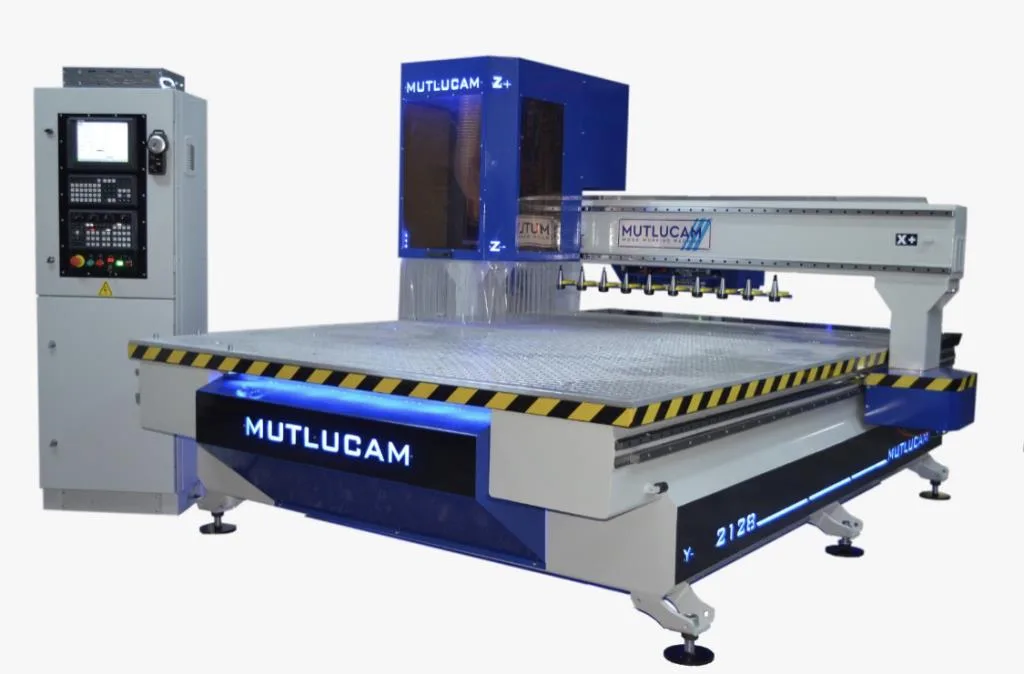
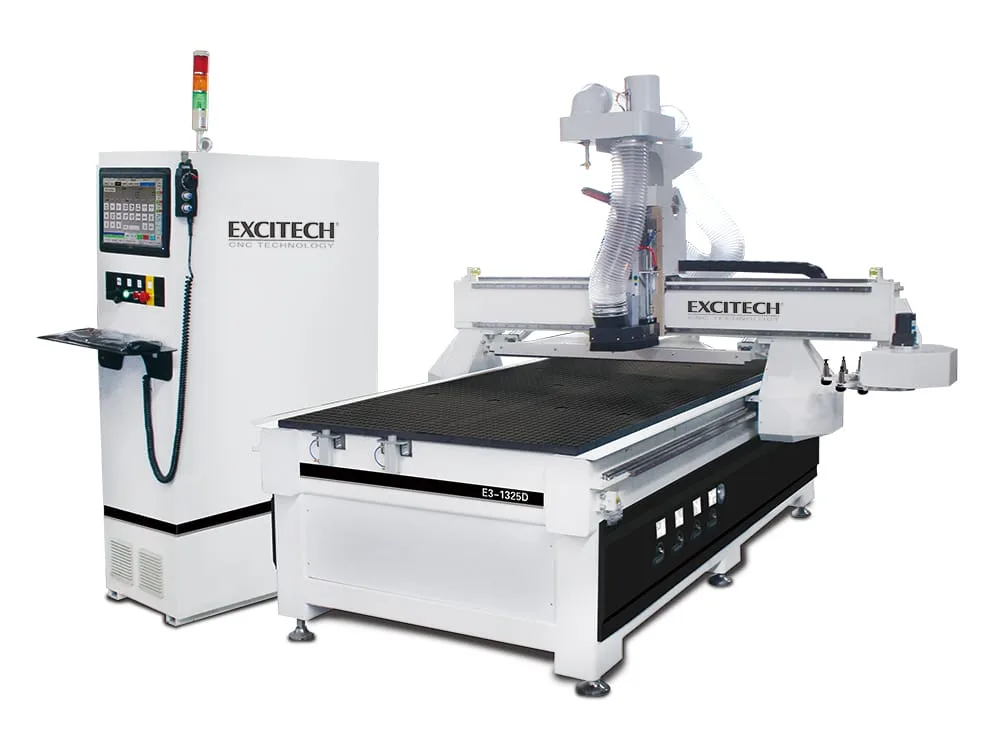
Mechanical cutting is assessed for Forex and Dekota sheets containing PVC; these materials are not processed by laser. Our workshop's Exitech CNC router has a 200 × 400 cm working area, and the Mutlucam CNC router has a 210 × 280 cm working area. We discuss a production plan suited to the part's geometry and thickness using the drawing. Do not assume the full table dimensions are available for every job. Edge allowances, nesting and workholding conditions are included in the assessment. Our CNC router cutting service provides general information about the scope of mechanical machining.
Specify outer contour cutting, holes and any special surface operations separately. Highlight areas containing very narrow connections or thin projections. A clear image on screen does not guarantee that every feature will retain the same appearance at the target size. Explain if other components support any areas during use. Knowing which design features must be preserved helps focus the production assessment on the right details.
Signage and wayfinding applications
Internal openings matter as much as outer boundaries in letters and logos. Explain whether a small element inside a letter should remain separate, be connected by a bridge or be bonded to another surface. Check the text's actual size and thinnest section. Sending a visual preview alongside the vector file helps compare fonts and proportions. Our letter and sign cutting page provides more detail about logo files, installation positions and part arrangements.
Clarify responsibilities if printing and cutting are planned together for a wayfinding or promotional panel. Specify who will print it, which face will be printed and where the cutting boundary sits in the design. Separate print allowances from outer cutting lines. Do not assume a cutting request automatically includes printing, design and installation. When working with another manufacturer, make clear at which stage the file will reach us. Establishing delivery expectations at the outset helps meet the next team's requirements.
Joining parts together
For display stands, models and other assemblies, joint dimensions are assessed together. A slot width or hole position may depend on the mating part. Check the actual sheet thickness and describe the required fit. A tight fit, clearance fit and bonded joint are different requirements. Do not send a drawing of one part while leaving its mating component's dimensions unclear. Current files for every component in the set should be reviewed together.
A sample or first-part assessment can be planned where joint fit is critical. For example, a flat sample that verifies only outer dimensions does not establish whether a narrow interlocking joint fits. Identify the detail to be checked. Check whether a drawing revision also affects the mating part. Our mould and model cutting service explains preparation for sets of parts and assembly order. The approved sample and batch production file must refer to the same version.
Visible edges and delivery condition
Specify which faces and edges of the sheet will remain exposed. Appearance requirements may differ for a panel fitted inside another frame. Explain the production sequence if edges will later be covered, painted or joined to another surface. Product photographs help communicate your expectations, but an appearance achieved in a different material should not be assumed to represent the result on your sheet. Agree any additional surface treatments and who will carry them out at the quotation stage.
Discuss packaging in advance, especially for long, narrow or interconnected small parts. Provide codes if parts should be separated into installation sets. If there is a protective covering or film, specify its required condition at delivery. Assess suitability for the end use from the supplier's product information; cutting does not itself make a sheet suitable for outdoor or structural use. Sharing the intended use matters. Do not infer unverified material properties from a design image alone.
File preparation steps
Work at actual size in the DXF or DWG file and state the units in your message. Separate outer boundaries, holes and construction lines. Check gaps in shapes intended to be closed, overlapping lines and obsolete alternatives. If sending PDF, AI, CDR or EPS, ensure the file contains the vectors to be produced. Our DXF preparation guide explains checks you can carry out before submitting the file. Providing a known key dimension separately makes scale comparison easier.
Collect part codes, quantities, thicknesses and material details in a single list. Use separate rows for the same shape in different sizes or colours. Also distinguish parts with different printed faces or orientations. Update both the drawing and quantity list when making revisions. A version number or date in the production file name helps with tracking. Specify any design preparation needed separately; converting a reference photograph into a production drawing is discussed as preparation work.
Pricing and ordering process
Dekota and Forex cutting prices consider material, thickness, number of different parts, total quantity and cutting detail together. A design with many small openings may require different work from a plain panel. Nesting, usable sheet area, file editing and packaging are also assessed. Our contract CNC cutting service explains the general ordering process, while our pricing page lists points for comparing quotations. Requesting a price based on your own file helps establish the correct scope.
After file and material checks, production scope, any sample requirements and delivery conditions are agreed together. Allow time in your schedule for subsequent processes such as printing or installation. Collection from the Dudullu workshop in Istanbul and shipping throughout Türkiye are discussed for each job. Our production gallery provides references for different shapes and applications. Share your product details through the quotation form so we can clarify dimensions, material, quantities and delivery requirements together. Give final approval using the current drawing and parts list.
Frequently asked questions
Can Forex PVC foam board be processed by laser?
Forex and Dekota containing PVC are not processed by laser. Mechanical cutting is assessed for these sheets.
Can I supply a printed sheet?
Specify the print, face orientation and cutting contours. The suitability of the existing sheet and the delivery scope are discussed separately.
What is needed for interlocking parts?
Provide all mating parts, the actual sheet thickness and your assembly requirements.