
Explore this service in pictures
Technical specifications
| Materials | Plexiglas / acrylic (verified from product information) |
|---|---|
| Working area | Laser: 140 × 100 cm; routers: 200 × 400 cm and 210 × 280 cm. The method is selected for each job. |
| Thickness | Confirmed according to sheet type, thickness and machining method. |
| Tolerance | ±0.1 mm target tolerance; confirmed for each job. |
Plan your acrylic part around its intended use
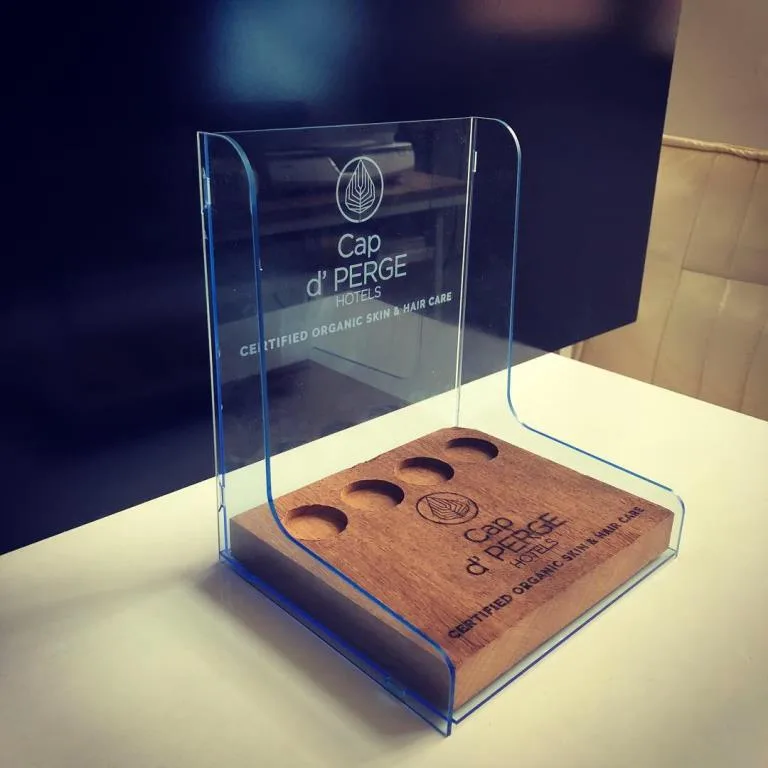
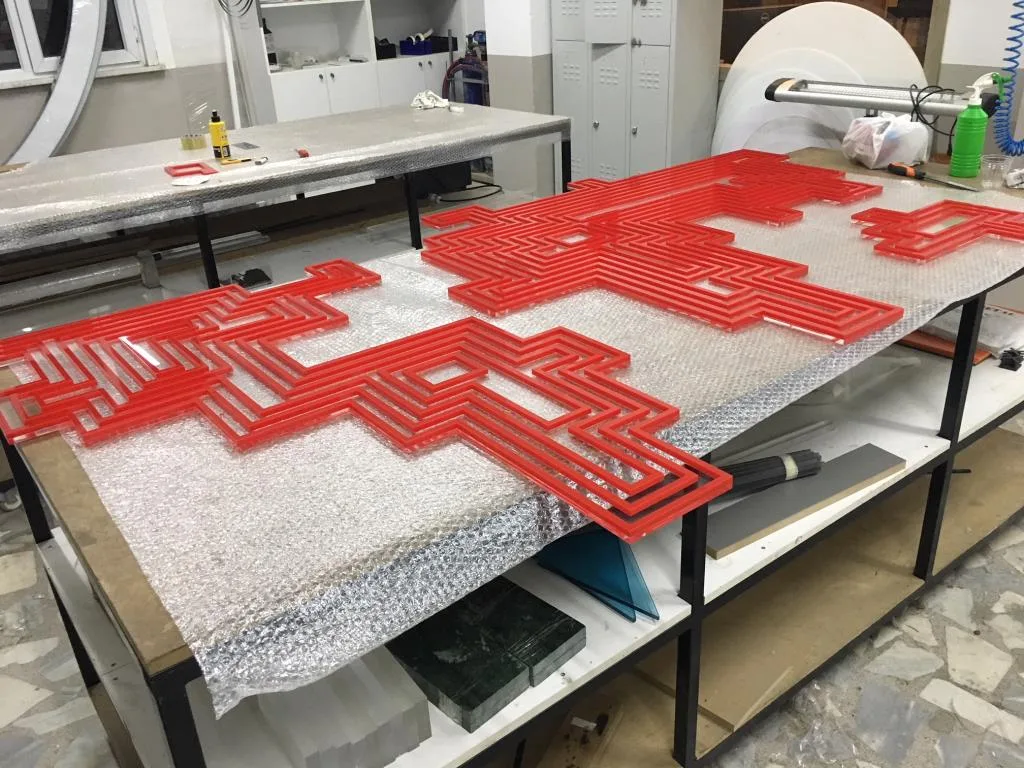
Acrylic cutting creates the required outer shape, holes and openings from acrylic sheet. It can be considered for advertising letters, directional signage, display components, decorative applications and custom-sized panels. At Modoko CNC Kesim, we assess more than sheet dimensions. We also ask how the part will be fixed, which edges will be visible and whether it will join another component. These details help us interpret the file correctly and establish a clear quotation scope from the outset.
For clear, coloured or differently finished products, provide the full sheet specification. Similar-looking sheets on the market may be made from different plastics. Verify that a product described as acrylic actually is acrylic using manufacturer or supplier information. If supplying your own material, provide usable sheet dimensions, thickness and protective film condition in advance. Cracks, scratches and previously machined areas are assessed separately in the nesting plan.
Choosing between laser cutting and CNC routing
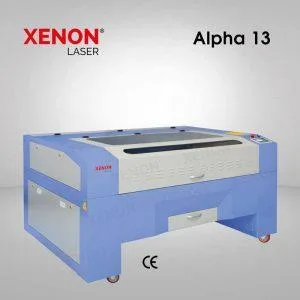
The right process for acrylic depends on the part geometry, material and delivery requirements. Our workshop has a 200 W Xenon CO2 laser with a 140 × 100 cm working area, an Exitech 200 × 400 cm CNC router and a Mutlucam 210 × 280 cm CNC router. These are table dimensions; the usable area is assessed for each job, allowing for edge margins and workholding. Please share your drawing before choosing a sheet size based on machine dimensions alone.
Cutting only a part's outer perimeter requires a different approach from machining grooves or pockets into its surface. Internal corner requirements, holes, visible edges and subsequent assembly affect the method selected. Our laser cutting page explains producing outer shapes in suitable sheets, while our CNC router cutting page covers mechanical machining. Identify any text or pattern required on a surface separately; it should not be assumed to be part of outer contour cutting.
Describe the edge appearance clearly
Edge quality cannot be defined by a single term. The appearance of an edge may be crucial on a visible display piece, while the fit may take priority for a panel set inside a frame. In your quotation request, specify which edges will remain exposed and whether their appearance under lighting matters. Include a reference photograph if available, bearing in mind that it may show a different material or an additional finishing process. The condition of the supplied edges is agreed alongside the selected cutting method and any additional work.
Cutting, polishing, bonding, bending and assembly should be assessed as separate scopes of work. Do not assume they are all automatically included in the cutting price. Describing the complete application helps establish which operations you expect us to perform. If production will continue at another workshop, include that team's joint or surface requirements with the file. Where a sample is needed, assessment should be based on the agreed physical dimensions and appearance requirements, rather than photographs alone.
Mounting holes and mating parts
Dimension hole centres from defined reference edges. If screws, pins, interlocking joints or other connections are used, provide mating-part details too. A hole diameter alone may not explain the clearance required in assembly. Clarify whether the specified value is a finished-part dimension or a nominal connection dimension. Sensitive areas such as holes close to edges and thin extensions are assessed before production. The quote should also identify which team is responsible for assembly.
The actual thickness of the supplied acrylic sheet matters for interlocking parts. Do not finalise a joint in the drawing without checking the real dimensions of materials sold under the same name. A sample joint allows the fit to be checked before the production run. When a design is revised, update its mating parts too. For example, changing a slot width while retaining the old tab file can cause assembly problems. Check the complete set of parts together.
Preparing drawings and quantity lists
Send DXF and DWG files at actual size and specify the units. Vector drawings in AI, CDR, PDF or EPS files can also be assessed. Explain which lines, text and images are intended for production. Keep dimension annotations separate from cutting contours. Check for duplicate lines, open contours and unused design alternatives. A brief PDF preview showing the part’s actual dimensions can help confirm that the design opens correctly.
Give each distinct part a code and state its quantity. Identify right- and left-hand parts, mirrored designs and versions produced in different colours separately. Mention any requirements for when protective film should be removed. Mark the final production file with a revision number. If an old version is sent for comparison only, clearly state that it must not be produced. An organised file package makes quoting and part tracking easier.
Selecting a sample part for inspection
Parts within a set may differ in complexity. When planning a sample, choosing the largest part is not always enough. A part containing the narrowest gap, smallest hole or most critical joint may be more informative. State what the sample should demonstrate: overall dimensions, joint fit, text legibility and edge appearance are separate checks. A thickness or connection dimension changed after approval can alter the conditions represented by the sample. Compare the final file with the approved sample before production. If several colours or sheet types are involved, do not assume one sample represents them all. Agreeing the sample scope around the intended use gives a sounder production plan.
Pricing and delivery terms
Acrylic cutting prices take account of material type and thickness, total quantity, cutting geometry, preparation and additional processes together. A part containing many small holes requires a different processing time from a plain panel with the same outer dimensions. Multiple colours and thicknesses within one order also affect nesting and preparation. Our contract CNC cutting service page explains the general workflow from material to delivery, and our pricing page provides criteria for comparing quotation scopes.
The delivery date takes account of file approval, material sourcing, samples and packaging requirements. Collection from our Dudullu workshop in Istanbul or shipping throughout Türkiye is discussed for each job. Share a packing list in advance if parts are to be separated into sets. Explore application examples in our completed work gallery and read about the difference between a visual reference and a production file in our file preparation guide. Complete the quotation form with dimensions, thickness and quantities so we can clarify your part's scope.
Frequently asked questions
Is every transparent sheet acrylic?
No. Similar-looking plastics may be different products. Provide the manufacturer or supplier details.
Are polishing and bonding included?
Cutting, final edge finishing, bonding and assembly are discussed as separate scopes of work.
What should I send for interlocking parts?
Provide all mating parts, the actual sheet thickness and the required fit. We will assess the need for a sample together.