
Explore this service in pictures
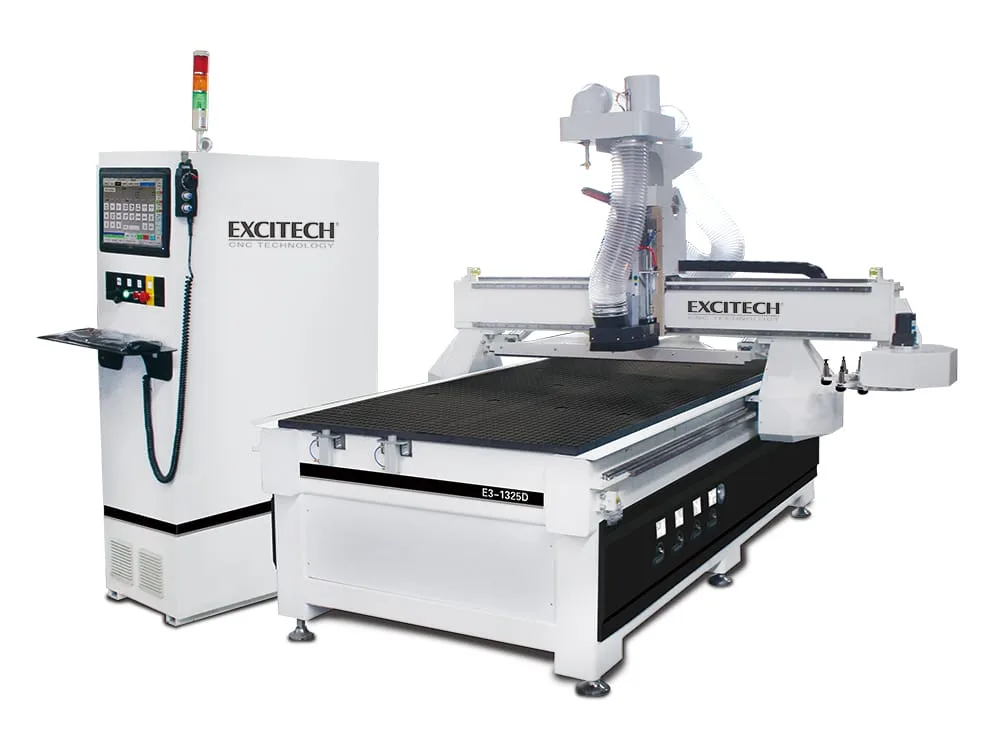
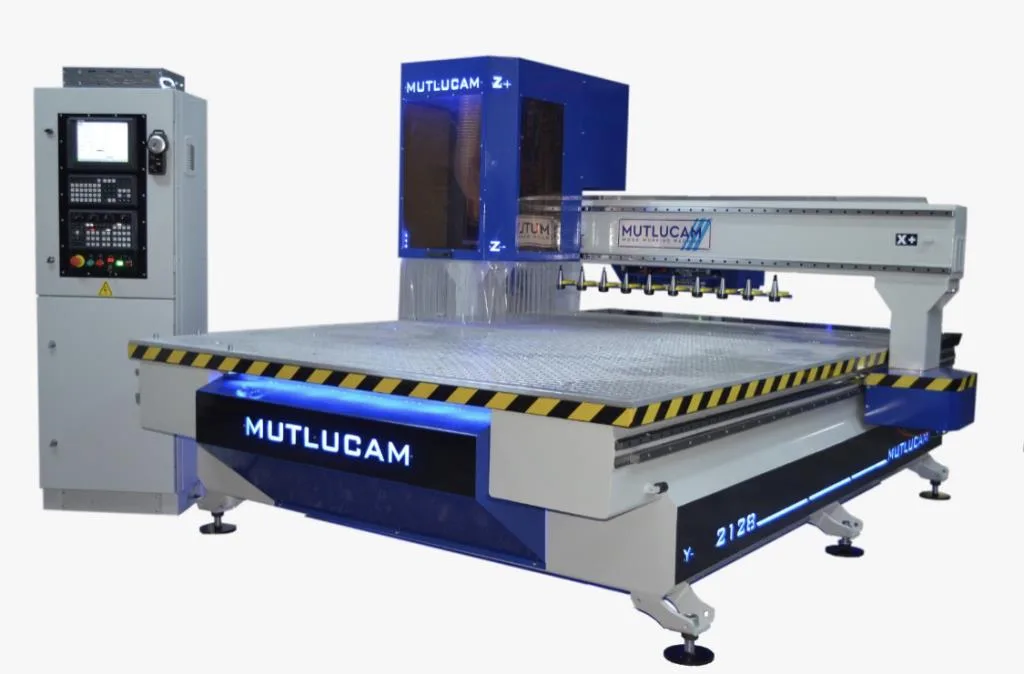
Technical specifications
| Materials | Aluminium plate, aluminium composite panel |
|---|---|
| Working area | Exitech: 200 × 400 cm; Mutlucam: 210 × 280 cm. Usable area is determined from the file. |
| Thickness | Aluminium plate up to 10 mm, subject to confirmation of geometry and material suitability. Composite panels are assessed by product type. |
| Tolerance | ±0.1 mm target tolerance; confirmed for each job. |
Distinguish aluminium plate from composite panels
The first step in an aluminium or composite cutting request is to identify the exact product. Solid aluminium plate and layered aluminium composite panels are different materials. Material type, thickness and intended application are assessed alongside the file. At Modoko CNC Kesim Cutting Centre in Istanbul Dudullu, we review the dimensions and intended use of each part. For sign components, cladding elements or custom-shaped parts, specifying the operations you need helps define the correct scope of work.
Our stated capacity allows aluminium plate cutting up to 10 mm to be considered. This does not promise identical time or results for every geometry; material details, workholding and part features are checked separately. For composite panels, provide the layer structure and supplier details. Surface colour alone does not identify the composition. If supplying your own sheet, state its actual usable area and any previously machined sections. We prepare the quote from these specific details.
Scope of CNC router cutting
Our workshop has three-axis CNC routers with working areas of 200 × 400 cm (Exitech) and 210 × 280 cm (Mutlucam). We assess aluminium and composite requests using this equipment. Table dimensions do not mean a part can be placed without edge allowances. Workholding, the machining path and part shape determine the usable area. Our CNC router cutting service provides information about the general method and file preparation.
Define outer contour cutting, holes and machining of specific surface areas as separate requirements. Explain bending, welding, painting, coating or assembly needs separately. Sending a cutting file does not mean all these operations are included in the order. If another manufacturer continues the work, specify the condition in which that team needs the parts. Knowing where responsibility transfers helps assess the required connections and dimensions correctly.
Visible face and orientation of composite panels
Mark the visible face of the composite panel and any required facing direction. If different parts will be installed side by side on the same surface, their relative orientation should be clear in the overall layout. Rotating material during nesting may affect the appearance in some applications. Tell us about protective film, scratches or unusable areas. Also specify how long you want the film to remain in place after cutting. Preparation and packaging are discussed according to the condition in which the visible face needs to reach the final application.
For parts used in a cladding system, specify finished panel codes, installation orientation and connection positions. Distinguish site measurements from manufacturing dimensions. Your installation team should confirm assembly clearances around each part and its relationship to other components. If the design needs grooves, preparation for folding or another special operation, add written dimensions and notes rather than relying on line colour. Suitability for the supplied material and drawing is assessed before production.
Holes, corners and joint dimensions
If an aluminium part connects to another component, clearly identify hole centres and reference edges. As well as hole diameter, the spacing between holes or the distance from a hole to the outside edge may be critical. Provide the technical dimensions of the assembly hardware. State whether dimensions on the drawing are nominal or required finished-part dimensions. Measurements taken from different reference points can make a part harder to interpret. Clearly define the dimension chain and the points to be checked.
Internal corners, narrow openings and small joint areas are assessed separately. A drawing appearing sharp on screen does not establish that every corner can be produced in the same form by the chosen method. Support critical corners or joints with an enlarged detail view. The general ±0.1 mm target tolerance is confirmed for each job. Discuss acceptance criteria before production, particularly for dimensions that interact with another part. If sample inspection is needed, also specify which mating part will be used for the check.
Production drawings and revision management
Prepare DXF or DWG files at actual size and state the units separately. Distinguish outer cutting boundaries, internal openings and construction lines. Remove overlapping lines, obsolete alternatives and unused parts from the production file. A PDF preview with legible dimensions helps check that the file opens correctly. Our DXF file preparation guide lists checks for scale, line cleanup and part codes. Clearly identify the final file version.
If a job uses several thicknesses or materials, show them as separate part groups. List the quantity, material and face orientation for each part code. Identify right- and left-hand mirror-image parts separately. When making a revision, list the changed parts as well as sending the new drawing. For a repeat order, provide the previous code and confirm whether the new material matches the original. These records help pair the correct production file with the correct sheet.
Details affecting the price
Aluminium and composite cutting prices are not based on part area alone. Material and thickness, outer perimeter, hole count, fine details, number of different parts and quantities are assessed together. A plain panel and a part with many openings require different work even if their outer dimensions match. Preparation and workholding for customer-supplied sheets are also considered. Our contract CNC cutting service provides a starting point for understanding the general workflow from file to delivery.
In your quotation request, specify who will source the material, whether offcuts should be returned and any additional operations. Discuss sample or first-part inspection requirements at the outset. Use our pricing page to compare quotations on the same basis. Cutting, material, finishing and transport charges should be clear. A previous quotation should not automatically be assumed to apply to a different thickness or geometry. Reconfirm the scope using the current file.
Application examples and delivery
The images on this page show the CNC router equipment used. Your own project is assessed from its drawing and material details. For other advertising components, explore our letter and sign cutting service; for plastic sheet requirements, see our acrylic cutting page. Our completed work gallery contains general application examples. When using images as references, explain the shape you want and the specific details you are referring to so we can understand your request.
Before production, the final file, material, quantity and critical dimensions are confirmed together. Packaging plans cover protecting visible faces, separating parts and tracking codes. Material sourcing, production and transport are assessed separately when setting the delivery date. Collection from our Dudullu workshop in Istanbul or shipping throughout Türkiye is agreed for each job. Send your drawing through the quotation form to define the actual scope of your aluminium or composite part. We can clarify missing details together and prepare the production plan.
Frequently asked questions
What is your aluminium cutting capacity?
Aluminium plate up to 10 mm is considered. Material, geometry and workholding suitability are confirmed from the file.
Are composite panels and aluminium plate the same?
No. Layered composite panels and aluminium plate are different products; specify their product details separately.
Are bending and assembly included?
Cutting, bending, surface treatment and assembly are discussed as separate scopes of work.